SALE ENDS IN:
Pigmentation does not always mean one isolated dark spot. Your skin may have become more tanned from repeated sun exposure, certain areas may look darker than the rest of your face, or you may be dealing with more persistent pigmentation such as melasma. The goal of treatment is not to make your natural skin colour artificially lighter. It is to reduce excess pigment so skin can move closer to its natural, more even tone.
This cream was designed as a straightforward, cost-effective treatment for that job. It combines 3% Kojic Acid Dipalmitate with Glutathione + Niacinamide rather than relying on one brightening ingredient alone. Kojic Acid Dipalmitate targets the process involved in excess melanin production, while Niacinamide and Glutathione add complementary brightening and antioxidant support.
The other deliberate choice is the cream format. Not everyone wants — or can afford — a separate pigmentation serum, treatment and moisturiser. If this cream gives your skin enough moisture, it can serve as your pigmentation treatment + night moisturiser in one, making it a simpler entry point into serious pigmentation care.
For more stubborn conditions such as melasma, however, one product is rarely the whole answer. Different ingredients can work on pigmentation in different ways, which is why this cream can also be combined strategically with products such as Powerhouse Serum, Azelaic Acid/PAD, controlled exfoliation or Encapsulated Retinol. You do not need to use everything at once — adding too many active products too quickly can irritate the skin and make pigmentation harder to manage.
And whichever treatment route you choose, daily SPF is essential. If UV exposure keeps stimulating new melanin, you are trying to fade pigmentation while simultaneously encouraging your skin to make more of it. This is especially important if tanning or melasma is one of your main concerns.
Finally, fragrance-free does not mean odourless. Glutathione has its own characteristic raw-material smell, so you may notice it when you apply the cream. We deliberately do not add perfume just to hide it. Fragrance can be a source of irritation or sensitisation for some people, and inflammation can leave behind further pigmentation in pigment-prone skin. For a product designed specifically to treat uneven pigmentation, we would rather keep that unnecessary variable out.
If your skin is currently very sensitive, irritated or barrier-compromised, repair the barrier first. Once your skin is comfortable again, patch test the cream and introduce it gradually rather than assuming a pigmentation treatment needs to sting to work.
Apply a thin layer at night to clean, dry skin, either all over the face or mainly where you have tanning, dark spots or uneven pigmentation. If you use a lighter serum first, apply the cream after it. For many skin types, this can be the final moisturising step of the routine.
Important:
- Start once nightly if your skin is comfortable.
- If your skin is sensitive, patch test first and introduce it gradually.
- If your barrier is currently irritated, burning or damaged, repair it first before starting pigment actives.
- Powerhouse Serum can be used in the morning and this cream at night for a stronger pigmentation routine.
- If adding Encapsulated Retinol, Azelaic Acid/PAD or exfoliating acids, introduce them one at a time. Alternate nights at first rather than stacking several strong actives together.
- Use a broad-spectrum SPF every morning. Treating pigmentation without protecting skin from further UV exposure will limit your results. Internal guidance also treats sunscreen as an essential companion to this product.
For melasma or very stubborn pigmentation, think of this cream as one part of a complete routine, rather than expecting one active to do everything.
3% Kojic Acid Dipalmitate
A more oil-soluble form of Kojic Acid used to target excess melanin production and gradually improve tanning, dark spots and uneven pigmentation.
We chose Kojic Acid Dipalmitate rather than regular Kojic Acid because it is better suited to a cream formula. Regular Kojic Acid can be difficult to formulate with because it is prone to instability and colour changes from factors such as light, heat and pH. Turning it into the lipophilic dipalmitate derivative improves its compatibility with the oil phase of a cream and is widely used to improve formulation stability and delivery.
Glutathione
An antioxidant used in brightening formulas to provide an additional pathway for improving uneven skin tone and excess pigmentation. It complements Kojic Acid Dipalmitate rather than relying on a single brightening active.
Glutathione also has a naturally noticeable raw-material smell, which is one reason this fragrance-free formula may not smell like a perfumed face cream.
Niacinamide
Vitamin B3 helps improve uneven tone partly by reducing the transfer of melanin-containing pigment into surrounding skin cells. It also supports the skin barrier, making it a useful partner in a pigmentation formula where avoiding unnecessary irritation matters.
Allantoin
Helps soothe and support skin comfort, particularly useful in a treatment cream designed for regular use.
Vitamin E
Provides antioxidant support and helps condition the skin within the cream base.
Aqua, Glycerin, Isopropyl Alcohol, Cetearyl Alcohol, Ceteareth-20, Isopropyl Myristate, Kojic Acid Dipalmitate, PPG-15 Stearyl Ether, Cyclopentasiloxane, Niacinamide, Triethanolamine, Dimethicone, Stearic Acid, Dimethyl Isosorbide, Propylene Glycol, Glutathione, Tocopheryl Acetate, Ethylhexylglycerin, Phenoxyethanol, Carbomer, Zinc Oxide, Xanthan Gum, Allantoin.
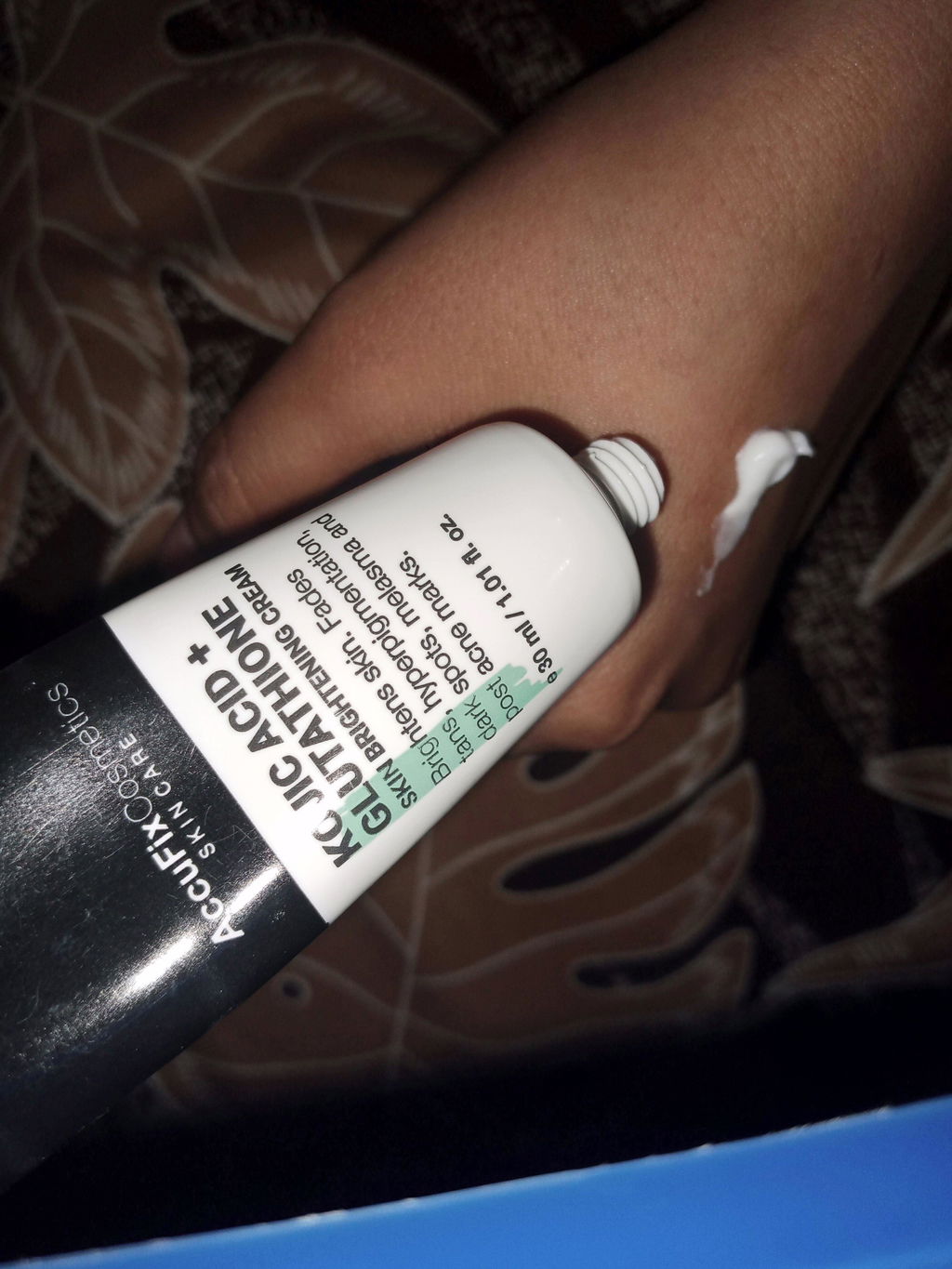
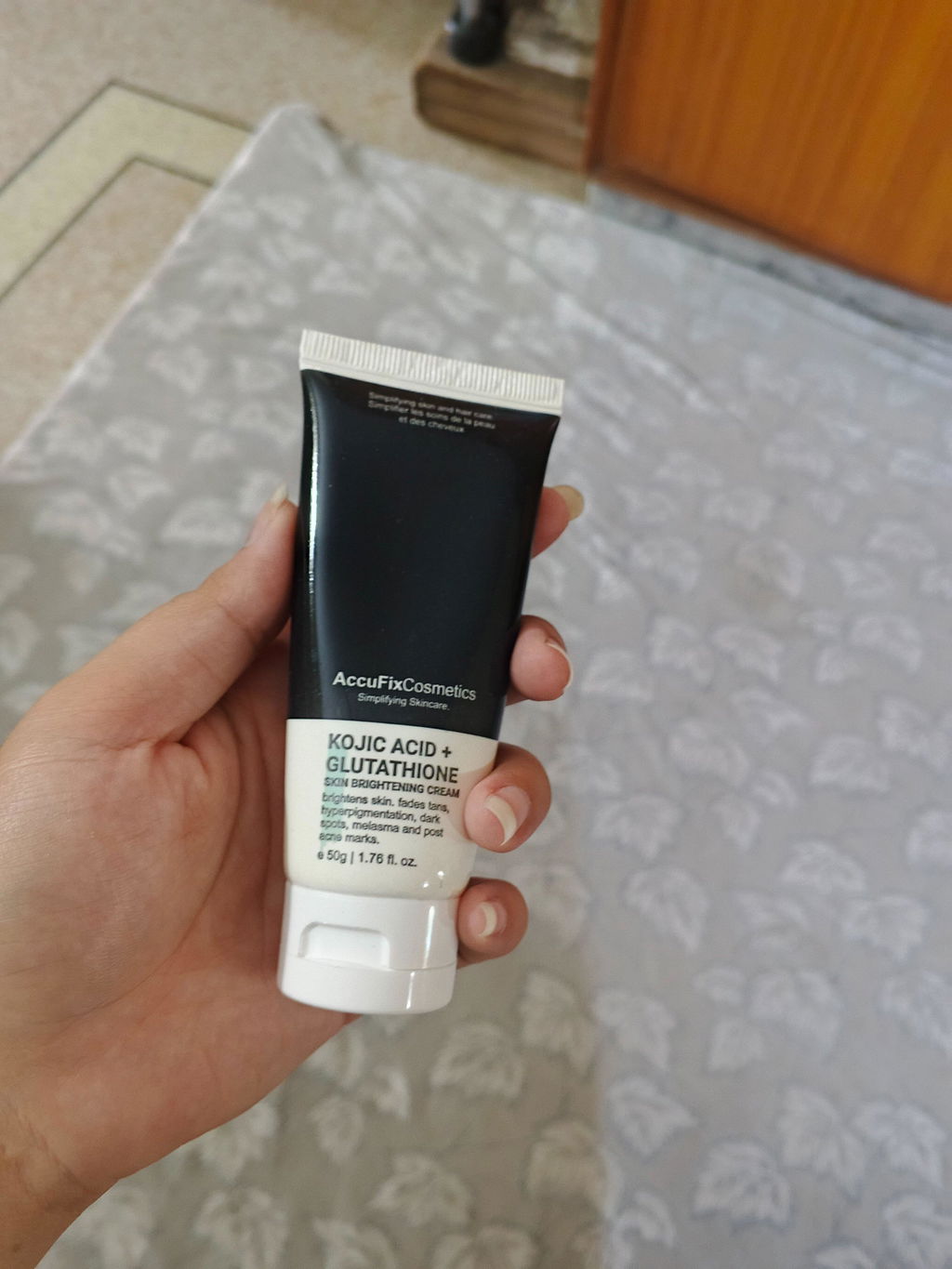
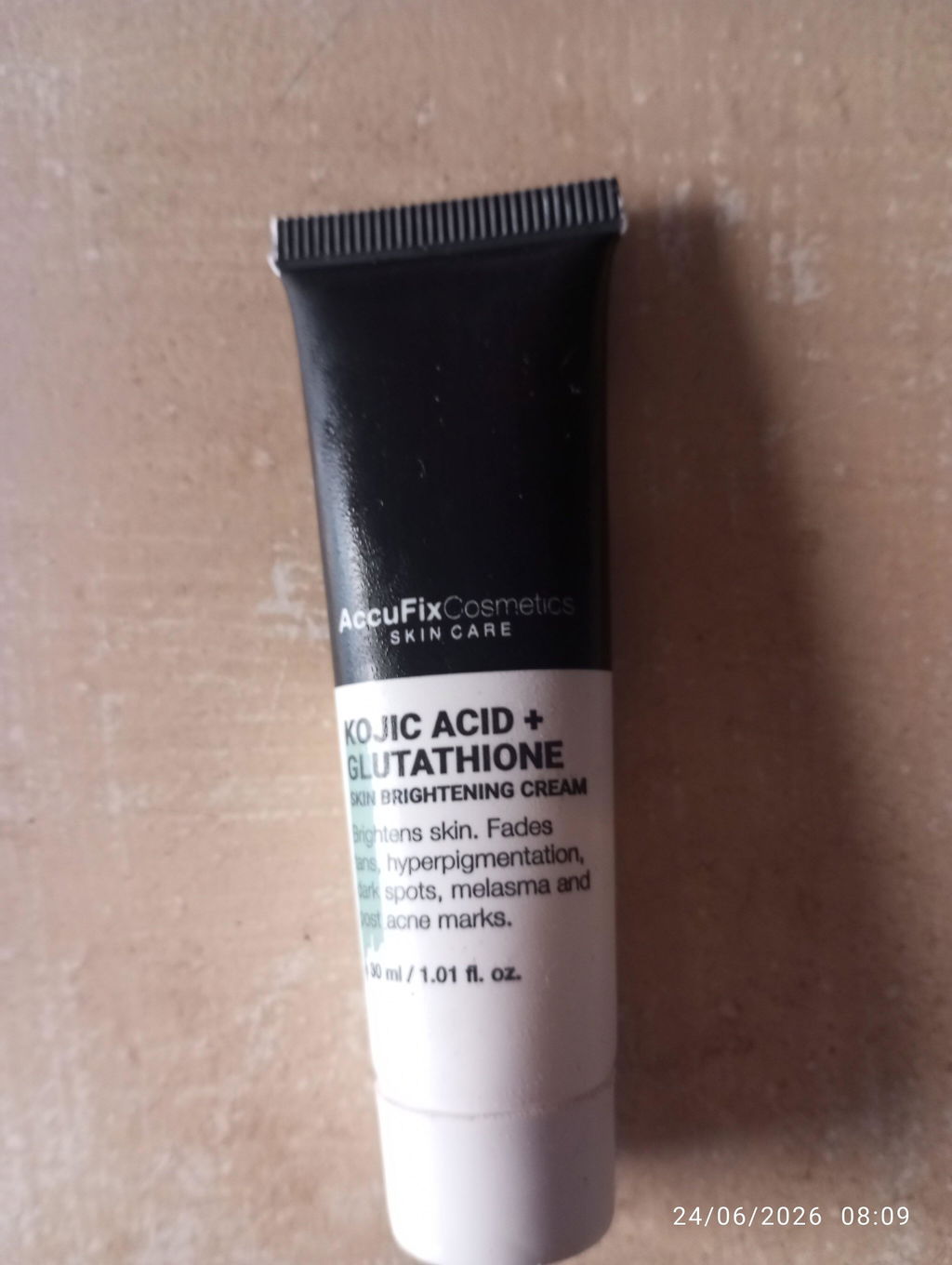
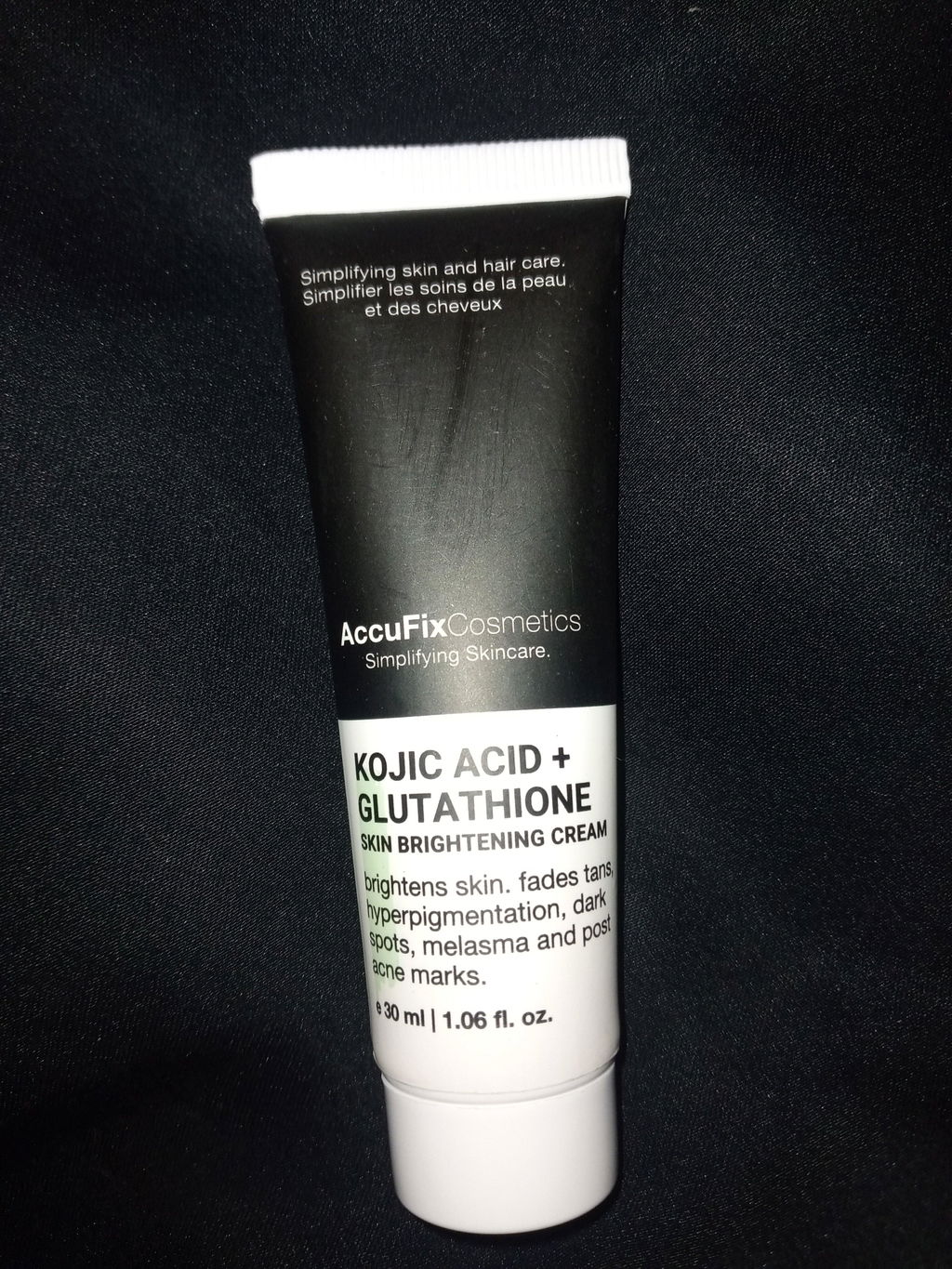
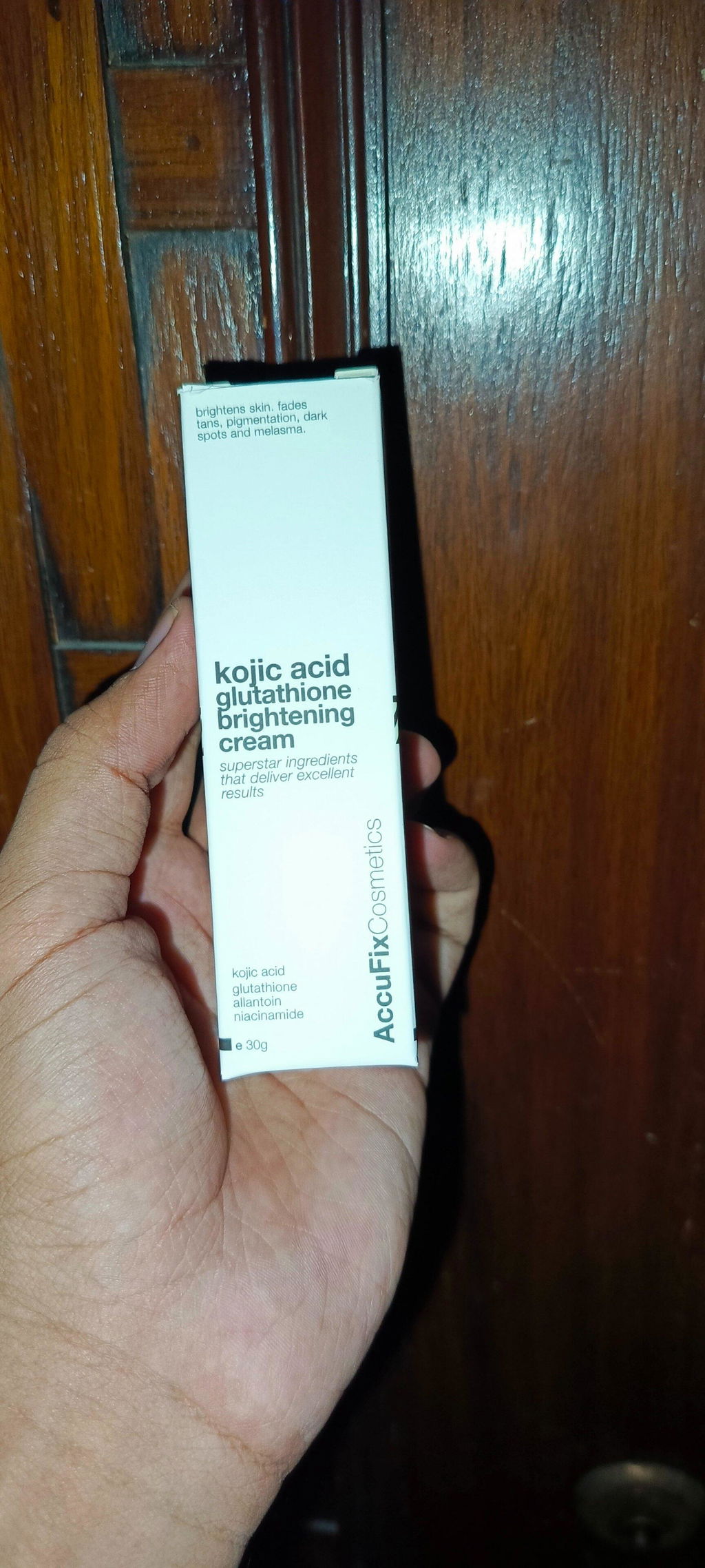
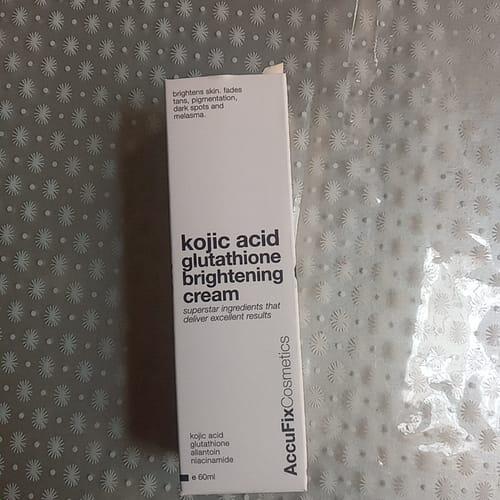
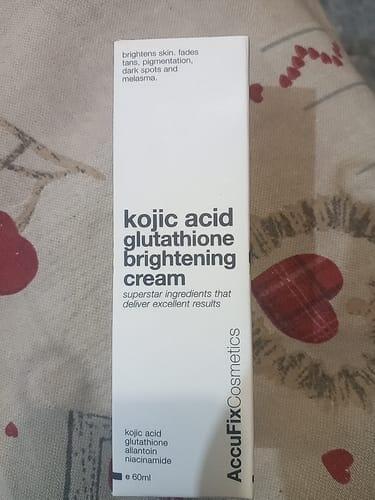
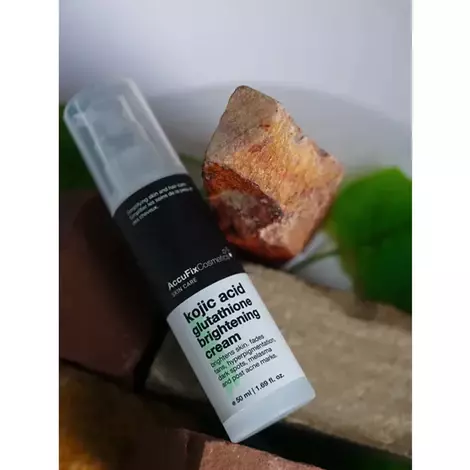
Kojic Acid Glutathione Skin Brightening Cream

- Unit price
- /per
A 3% Kojic Acid Dipalmitate cream for tanning, dark spots and uneven skin tone.
Made with 3% Kojic Acid Dipalmitate, Glutathione + Niacinamide to help fade extra pigment and bring skin closer to its natural, even tone.
The lightweight cream can work as both your night treatment + moisturiser, making it a simple and affordable option for pigmentation care.
Best for: Sun tan · Dark spots · Pigmentation · Uneven skin tone · Dark patches · Melasma routines
Why you’ll love it
✓ Helps fade sun tan + dark spots
✓ Helps make uneven skin tone look more even
✓ 3% Kojic Acid Dipalmitate targets excess pigment
✓ Glutathione + Niacinamide add extra brightening support
✓ Works as a treatment cream + moisturiser in one
✓ Simple, budget-friendly pigmentation care
Key ingredients: 3% Kojic Acid Dipalmitate · Glutathione · Niacinamide
Formula: Fragrance-free · Pregnancy safe · Not fungal acne safe
Size: 30 ml · 60 ml
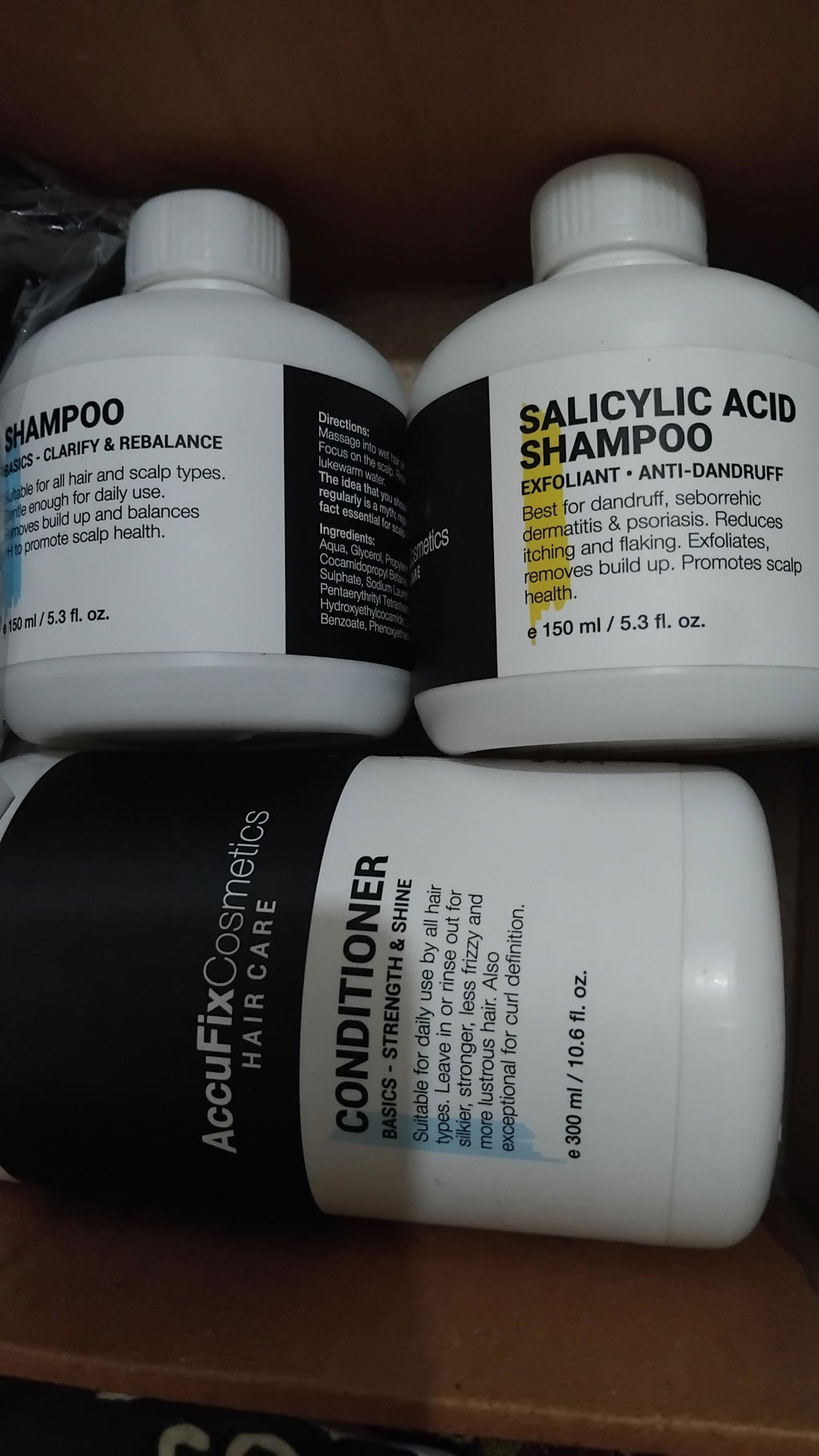
Anti Dandruff Shampoo Bundle
Clarify & Rebalance Shampoo
Daily Hair Care Essentials
Salicylic Acid Shampoo | Anti-Dandruff Shampoo | Medicated Dandruff Shampoo
Strength & Shine Hair Conditioner
Damage Repair Protein Hair Mask
Frizz Control & Shine Hair Serum
Anti Dandruff Shampoo Bundle
Clarify & Rebalance Shampoo
Daily Hair Care Essentials
Salicylic Acid Shampoo | Anti-Dandruff Shampoo | Medicated Dandruff Shampoo
Strength & Shine Hair Conditioner
Damage Repair Protein Hair Mask
Frizz Control & Shine Hair Serum
Adding product to your cart
Pigmentation does not always mean one isolated dark spot. Your skin may have become more tanned from repeated sun exposure, certain areas may look darker than the rest of your face, or you may be dealing with more persistent pigmentation such as melasma. The goal of treatment is not to make your natural skin colour artificially lighter. It is to reduce excess pigment so skin can move closer to its natural, more even tone.
This cream was designed as a straightforward, cost-effective treatment for that job. It combines 3% Kojic Acid Dipalmitate with Glutathione + Niacinamide rather than relying on one brightening ingredient alone. Kojic Acid Dipalmitate targets the process involved in excess melanin production, while Niacinamide and Glutathione add complementary brightening and antioxidant support.
The other deliberate choice is the cream format. Not everyone wants — or can afford — a separate pigmentation serum, treatment and moisturiser. If this cream gives your skin enough moisture, it can serve as your pigmentation treatment + night moisturiser in one, making it a simpler entry point into serious pigmentation care.
For more stubborn conditions such as melasma, however, one product is rarely the whole answer. Different ingredients can work on pigmentation in different ways, which is why this cream can also be combined strategically with products such as Powerhouse Serum, Azelaic Acid/PAD, controlled exfoliation or Encapsulated Retinol. You do not need to use everything at once — adding too many active products too quickly can irritate the skin and make pigmentation harder to manage.
And whichever treatment route you choose, daily SPF is essential. If UV exposure keeps stimulating new melanin, you are trying to fade pigmentation while simultaneously encouraging your skin to make more of it. This is especially important if tanning or melasma is one of your main concerns.
Finally, fragrance-free does not mean odourless. Glutathione has its own characteristic raw-material smell, so you may notice it when you apply the cream. We deliberately do not add perfume just to hide it. Fragrance can be a source of irritation or sensitisation for some people, and inflammation can leave behind further pigmentation in pigment-prone skin. For a product designed specifically to treat uneven pigmentation, we would rather keep that unnecessary variable out.
If your skin is currently very sensitive, irritated or barrier-compromised, repair the barrier first. Once your skin is comfortable again, patch test the cream and introduce it gradually rather than assuming a pigmentation treatment needs to sting to work.
Apply a thin layer at night to clean, dry skin, either all over the face or mainly where you have tanning, dark spots or uneven pigmentation. If you use a lighter serum first, apply the cream after it. For many skin types, this can be the final moisturising step of the routine.
Important:
- Start once nightly if your skin is comfortable.
- If your skin is sensitive, patch test first and introduce it gradually.
- If your barrier is currently irritated, burning or damaged, repair it first before starting pigment actives.
- Powerhouse Serum can be used in the morning and this cream at night for a stronger pigmentation routine.
- If adding Encapsulated Retinol, Azelaic Acid/PAD or exfoliating acids, introduce them one at a time. Alternate nights at first rather than stacking several strong actives together.
- Use a broad-spectrum SPF every morning. Treating pigmentation without protecting skin from further UV exposure will limit your results. Internal guidance also treats sunscreen as an essential companion to this product.
For melasma or very stubborn pigmentation, think of this cream as one part of a complete routine, rather than expecting one active to do everything.
3% Kojic Acid Dipalmitate
A more oil-soluble form of Kojic Acid used to target excess melanin production and gradually improve tanning, dark spots and uneven pigmentation.
We chose Kojic Acid Dipalmitate rather than regular Kojic Acid because it is better suited to a cream formula. Regular Kojic Acid can be difficult to formulate with because it is prone to instability and colour changes from factors such as light, heat and pH. Turning it into the lipophilic dipalmitate derivative improves its compatibility with the oil phase of a cream and is widely used to improve formulation stability and delivery.
Glutathione
An antioxidant used in brightening formulas to provide an additional pathway for improving uneven skin tone and excess pigmentation. It complements Kojic Acid Dipalmitate rather than relying on a single brightening active.
Glutathione also has a naturally noticeable raw-material smell, which is one reason this fragrance-free formula may not smell like a perfumed face cream.
Niacinamide
Vitamin B3 helps improve uneven tone partly by reducing the transfer of melanin-containing pigment into surrounding skin cells. It also supports the skin barrier, making it a useful partner in a pigmentation formula where avoiding unnecessary irritation matters.
Allantoin
Helps soothe and support skin comfort, particularly useful in a treatment cream designed for regular use.
Vitamin E
Provides antioxidant support and helps condition the skin within the cream base.
Aqua, Glycerin, Isopropyl Alcohol, Cetearyl Alcohol, Ceteareth-20, Isopropyl Myristate, Kojic Acid Dipalmitate, PPG-15 Stearyl Ether, Cyclopentasiloxane, Niacinamide, Triethanolamine, Dimethicone, Stearic Acid, Dimethyl Isosorbide, Propylene Glycol, Glutathione, Tocopheryl Acetate, Ethylhexylglycerin, Phenoxyethanol, Carbomer, Zinc Oxide, Xanthan Gum, Allantoin.
Complete Your Routine
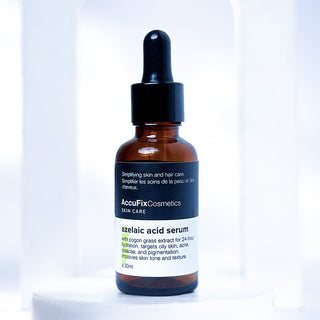
Azelaic Acid Serum
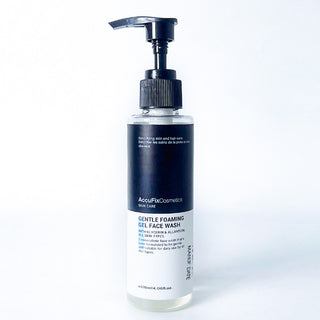
Rs.3,495
- Unit price
- /per
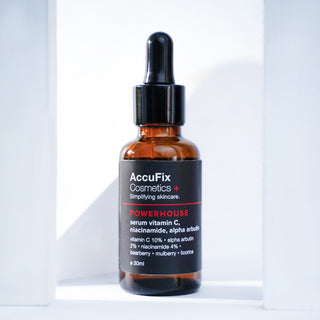
Powerhouse Serum Vit C, B3, Alpha Arbutin
Rs.3,495
- Unit price
- /per
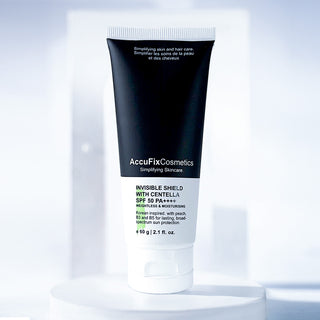
Invisible Shield With Centella SPF 50 PA++++
Rs.2,495
- Unit price
- /per
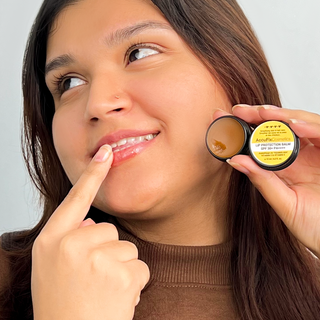
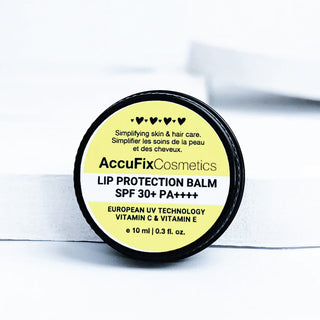
Lip Protection Balm SPF 30+ PA++++
Rs.1,295
- Unit price
- /per
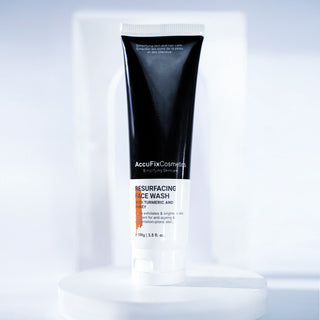
Resurfacing Face Wash with turmeric & honey
Rs.1,995
- Unit price
- /per
The Ultimate Sunscreen SPF 50+ PA++++
Rs.1,995
- Unit price
- /per
FAQs
AccuFix does not formulate products to make your natural skin colour artificially lighter. If your skin has become darker because of tanning or excess pigmentation, treatment can help bring it closer to its natural, untanned tone.
Be skeptical of any cream promising to safely make you many shades lighter than your natural skin tone, especially if the ingredient list is unclear. Unsafe or unregulated skin-lightening products may contain ingredients such as mercury or misused potent steroids. Mercury exposure can harm the kidneys and nervous system, while long-term misuse of potent steroid creams can cause skin thinning, visible blood vessels, stretch marks, acne-like eruptions and rebound skin problems. Hydroquinone is a legitimate medical treatment for pigmentation when used appropriately, but improper or prolonged use can cause irritation and, rarely, permanent dark discolouration called ochronosis. (U.S. Food and Drug Administration)
This cream is designed to treat tanning, dark spots and uneven pigmentation — not change who you are naturally.
Yes. A tan happens because sun exposure makes your skin produce more melanin. By targeting excess pigmentation, the cream can help your skin gradually move back toward its natural baseline tone.
But if you continue getting a lot of sun without protection, your skin will keep producing new pigment. Daily sunscreen is essential if tanning is the problem you are trying to treat. (American Academy of Dermatology)
It can help with dark spots, uneven pigmentation and melasma, but melasma usually needs more than one product and tends to come back.
For stubborn melasma, we prefer a complete pigmentation routine rather than expecting this cream to do everything alone. This may include ingredients such as Powerhouse Serum, Azelaic Acid/PAD, controlled exfoliation or Encapsulated Retinol alongside this cream — introduced carefully to avoid irritation. Sun protection is one of the most important parts of melasma treatment. (American Academy of Dermatology)
Pigmentation takes time. You may start noticing improvement in dark spots and overall tone in around 6–8 weeks, while more stubborn pigmentation may take 8–12 weeks or longer with regular use. Melasma needs ongoing treatment because it can return.
Consistency matters more than trying to make the treatment harsher.
Fragrance-free does not mean odourless. Glutathione has its own noticeable raw-material smell, and we choose not to add perfume simply to cover it.
That choice is deliberate. Fragrance can irritate or sensitise some skin, and irritation can make dark spots worse — particularly in skin that is already prone to post-inflammatory pigmentation. The American Academy of Dermatology specifically recommends gentle, fragrance-free skincare for melasma because irritating products can darken pigmentation. (American Academy of Dermatology)
Possibly, but do not start it while your skin barrier is damaged. If your skin is currently burning, very red, peeling or unusually reactive, focus on repairing the barrier first.
Once your skin feels normal again, patch test the cream and introduce it gradually. A skin reaction at one point in time does not always mean you will never tolerate an ingredient, because how healthy your barrier is can make a big difference.
Yes — these can complement each other, especially for stubborn pigmentation. You just do not need to start all of them at once.
A simple option is Powerhouse Serum in the morning + Kojic Acid & Glutathione Cream at night. Azelaic Acid/PAD, Encapsulated Retinol or an exfoliating acid can also be added depending on your skin and concern, but introduce stronger treatments gradually and alternate them at first if needed. Too much irritation can work against your pigmentation goals.
Yes. If you are treating pigmentation but allowing new UV and visible-light exposure to keep stimulating pigment, you are working against your treatment.
Use a broad-spectrum SPF every morning. For melasma and stubborn pigmentation, tinted sunscreen containing iron oxides can provide extra protection against visible light, which can worsen pigmentation in darker skin tones. (American Academy of Dermatology)
Yes, it can help fade post-acne dark marks and uneven pigmentation. The main consideration is the cream base, which may not be everyone’s preference if you are very oily, clog-prone or actively breaking out.
If your acne is under control and your skin tolerates richer creams well, you can absolutely use this for leftover marks. If active acne + marks are both major concerns, we would usually recommend a lighter treatment such as Azelaic Acid Serum instead. If your main concern is marks + overall uneven tone, Powerhouse Serum is another good option. Encapsulated Retinol can also be useful when acne, marks and uneven texture overlap, provided your skin can tolerate a retinoid.
This particular cream is not as fungal-acne safe, so if that is a recurring concern for you, we would recommend using our Azelaic Acid Serum or Powerhouse Serum Vitamin C, Niacinamide, Alpha Arbutin, instead.
Yes. You can use a thin layer on localised dark areas such as knees, elbows, knuckles or other areas of uneven pigmentation, provided the skin is healthy and not irritated.
Patch test first, and use sunscreen on body areas that are exposed to the sun. For sensitive folded areas such as the underarms, an underarm-specific formula is usually a better choice than treating them like normal facial or body skin.
Leave A Review
- 5 stars: 72 (85%)
- 4 stars: 10 (12%)
- 3 stars: 2 (2%)
- 2 stars: 0 (0%)
- 1 star: 1 (1%)
I m very satisfied with the product this is the only product that has shown results on my years old pigmentation and I want to give this image as thank u to the team of accufix
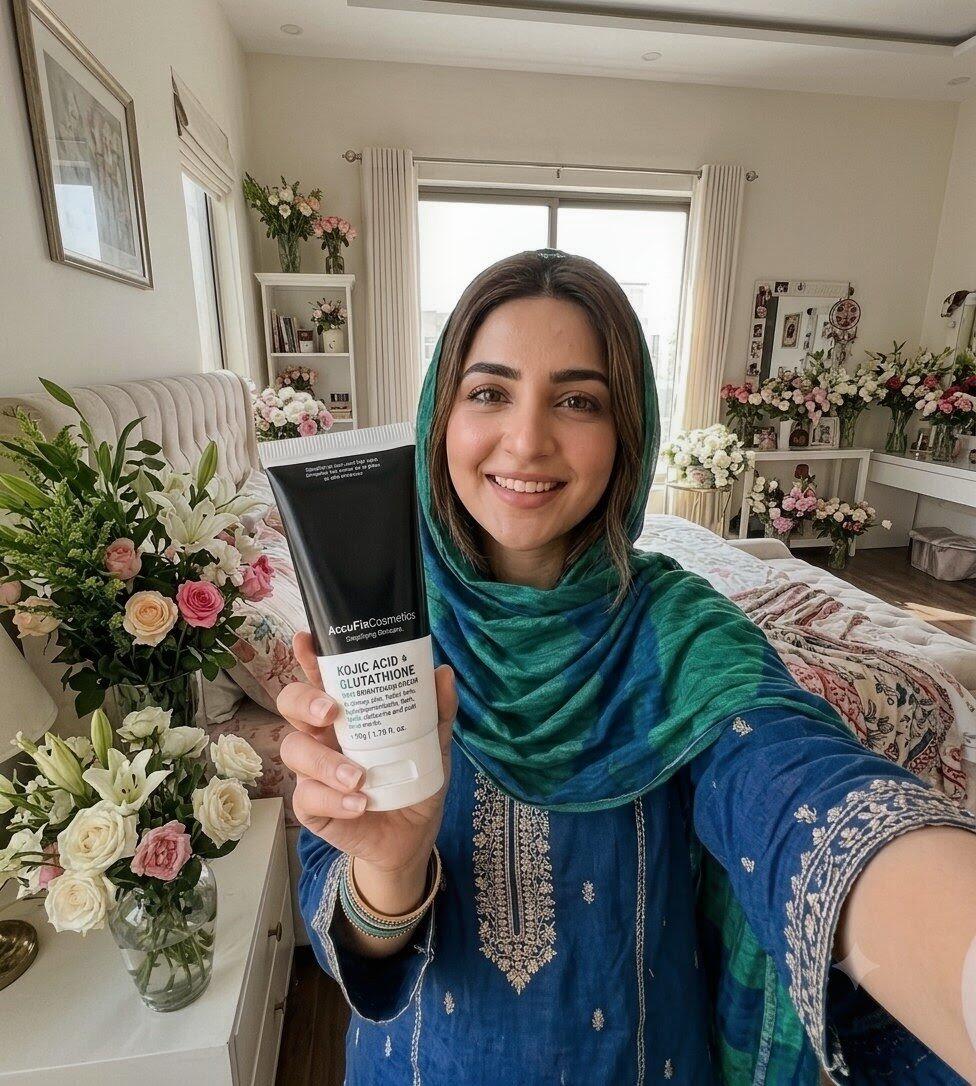
Using this cream for almost 20 days now and I'm seeing evenness and decreased pigmentation on hyperpigmented toes and knucles
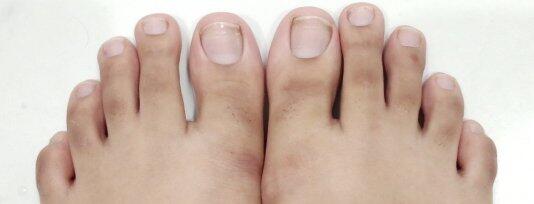
It's been only 3 days I used the Kojic acid cream, I have observed magnificent effects on my face, the glow is back and dullness is gone.. I'm loving it

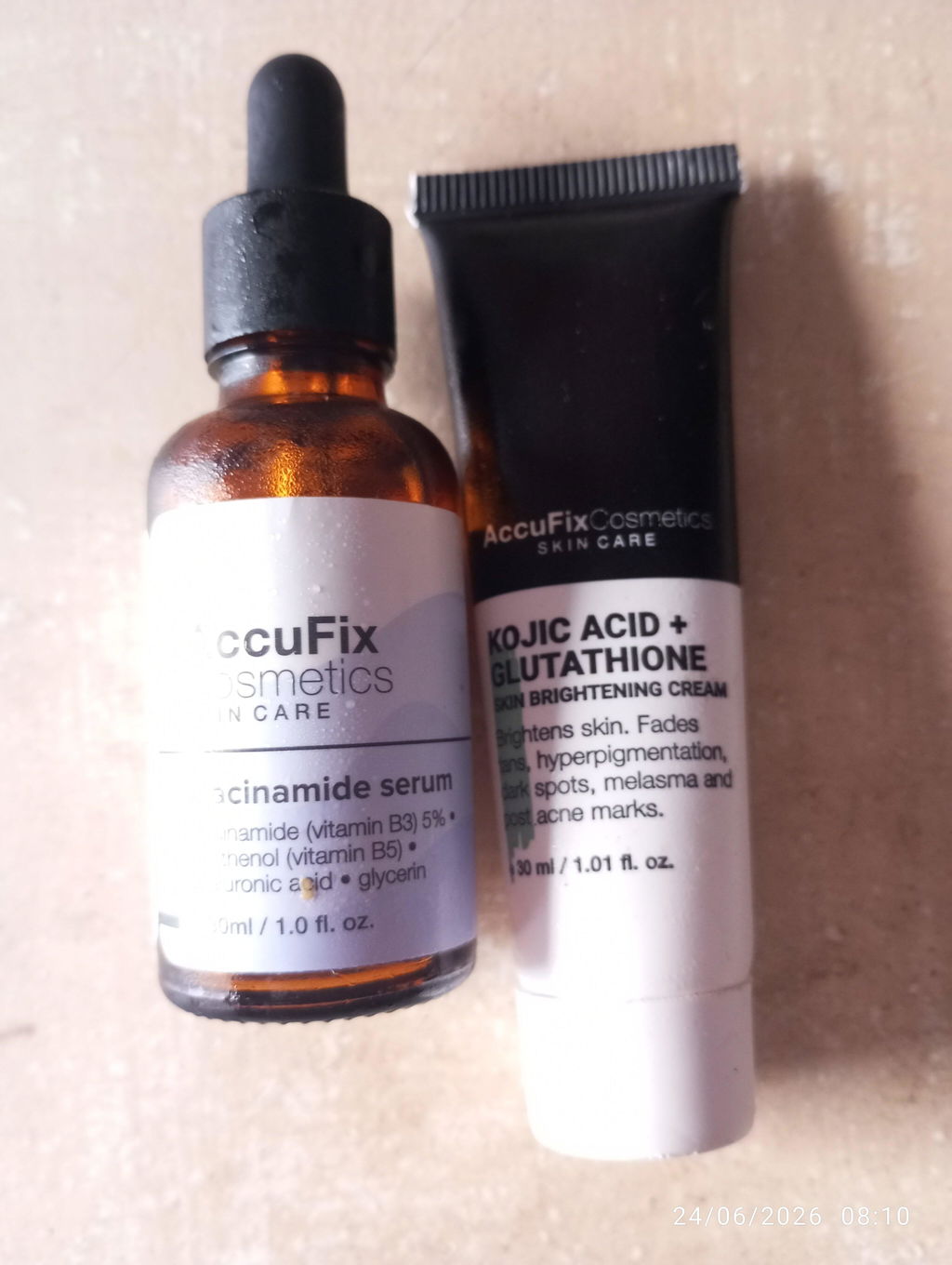
Apologies for the late review, but I wanted to use these products consistently before sharing my feedback! I am absolutely loving the AccuFix Cosmetics Actives Niacinamide Serum and Kojic Acid Glutathione Brightening Cream. The Niacinamide serum has completely balanced my skin's oil production and minimised my pores, while the Kojic Acid cream has safely and visibly reduced my dark spots and uneven skin tone. Both formulas are incredibly lightweight, non-sticky, and gentle on the skin. Thank you so much, AccuFix, for providing such premium, safe, and effective skincare solutions in Pakistan! Highly recommended!" Kojic acid cream not for sensitive skin..
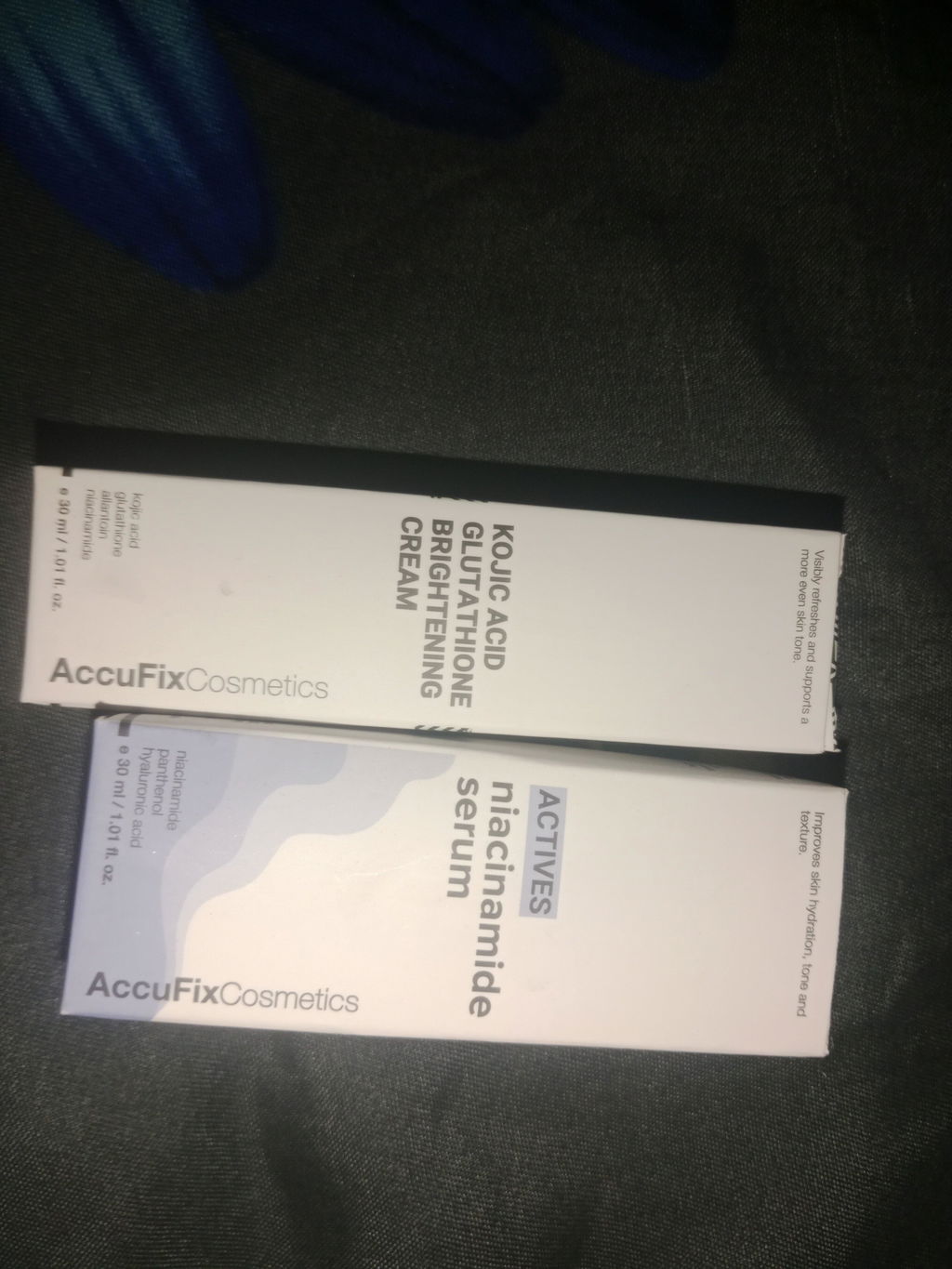
nice product
it's fading my pigmentation I m using on alternative days for two weeks and I hope it will help me in setting my discoloration and pigmentation
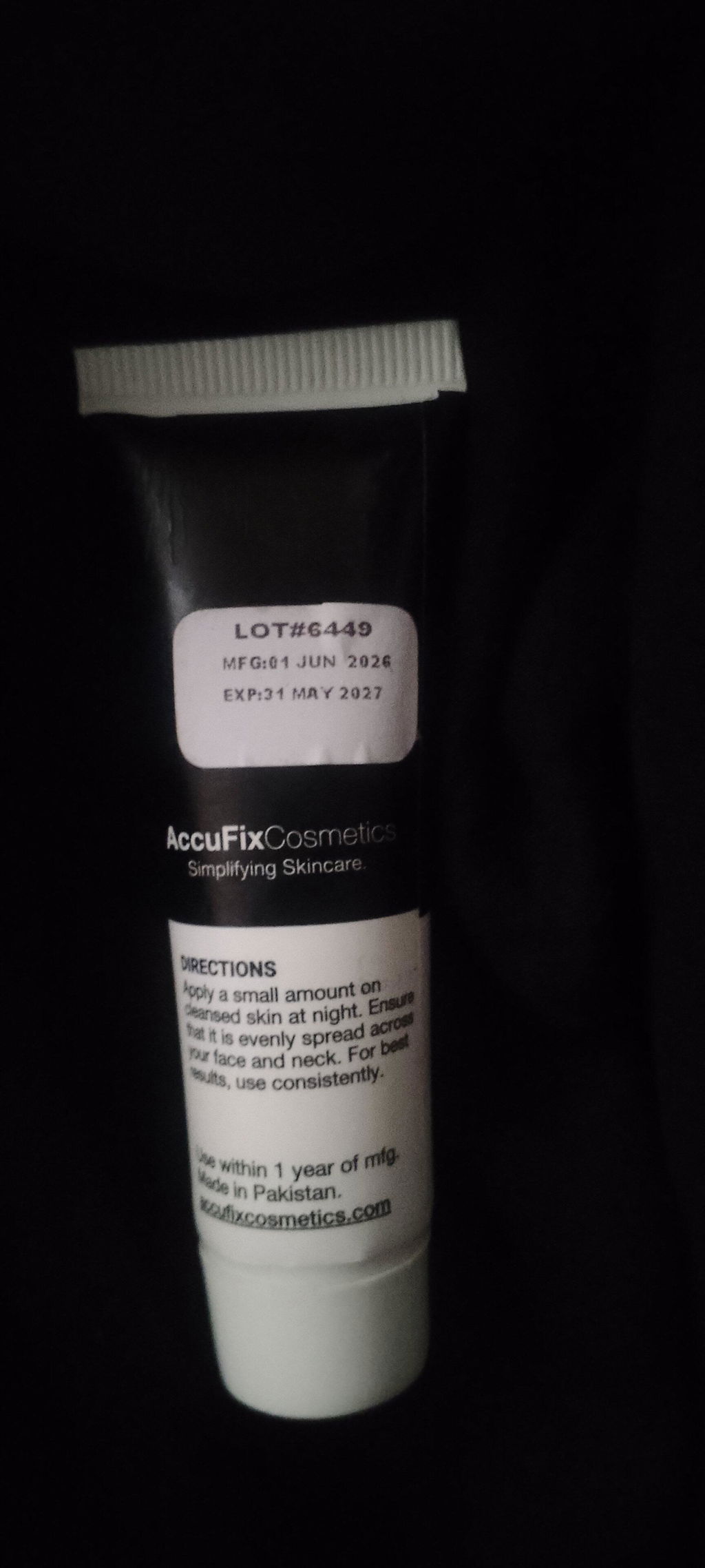
Accufix skincare thanks for your service I got freebies too loved it and always recommend accufix skincare will shop again 💫✨💋🫶
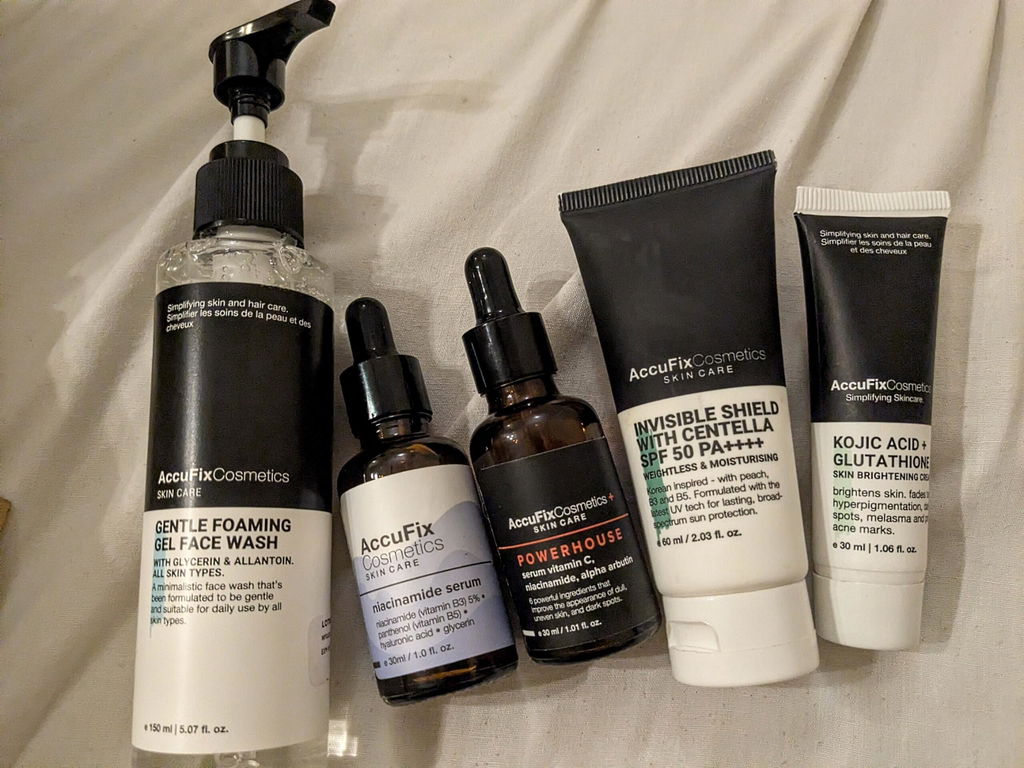
This has faded the acne marks on my skin to a great extend. Smoothen my skin too.
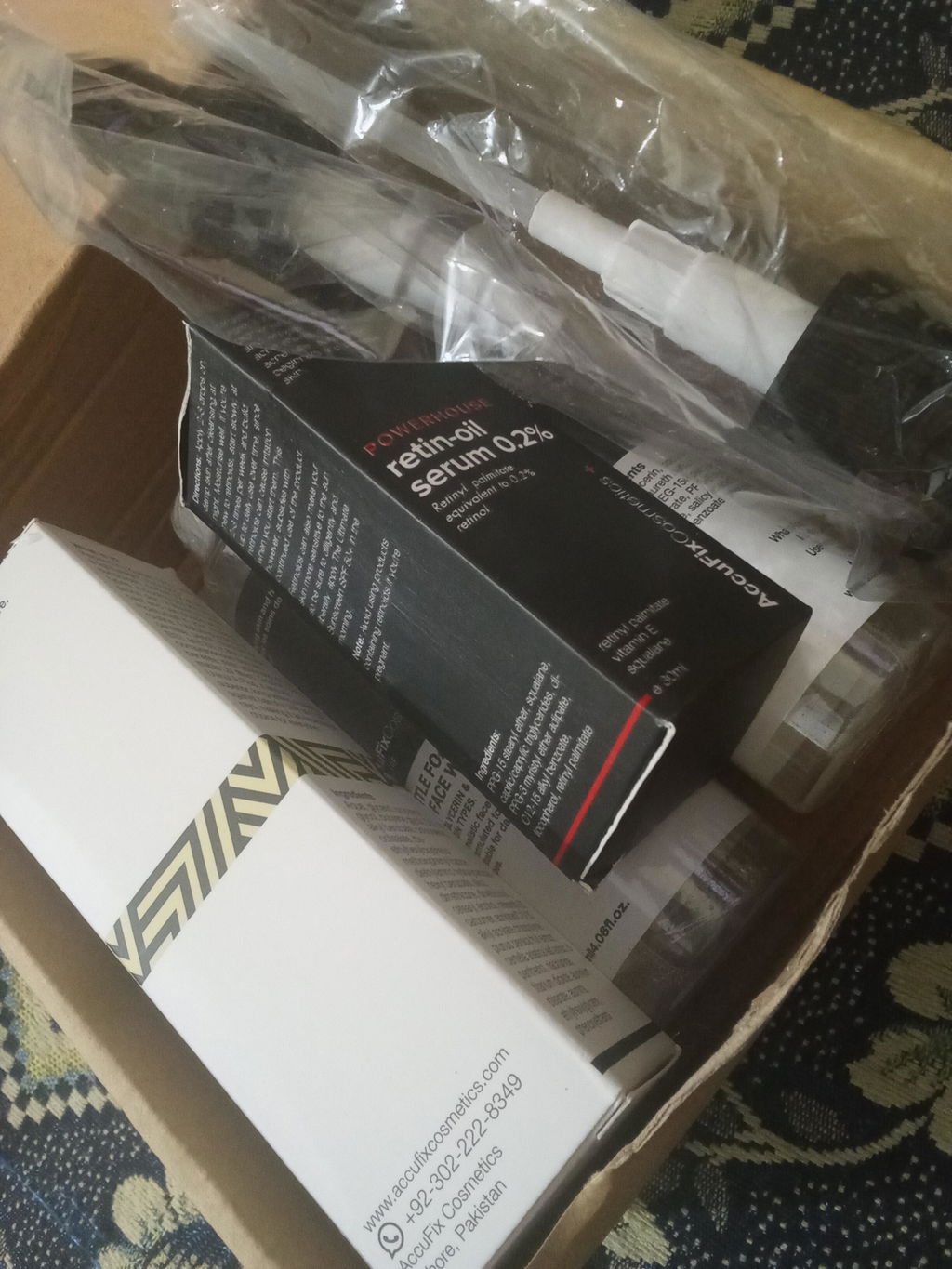
It's really good. It's non greasy and light weight. One thing I don't like is it's fragrance. Overall it's a good product.
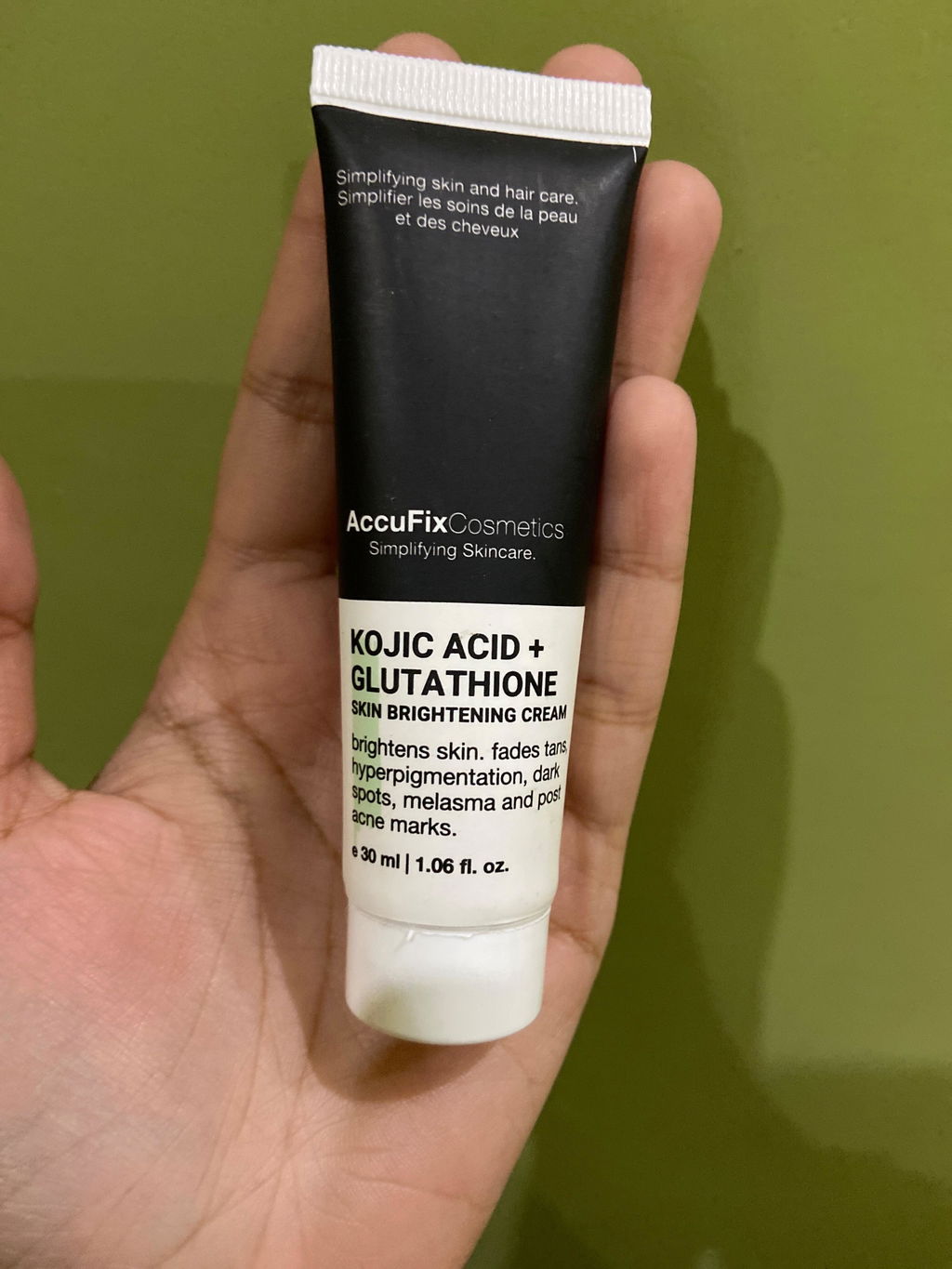
I've been using this product for a month now, and I'm impressed with the results. My acne marks have lightened, and my skin looks smoother. Yes, it takes a lot of time, so patience is key.
The only drawbacks are the unpleasant smell and the price - it's a bit steep for the amount you get. But, it hasn't given me any breakouts or comedones, which is a huge plus for my acne-prone/oily skin. 10/10 for effectiveness.
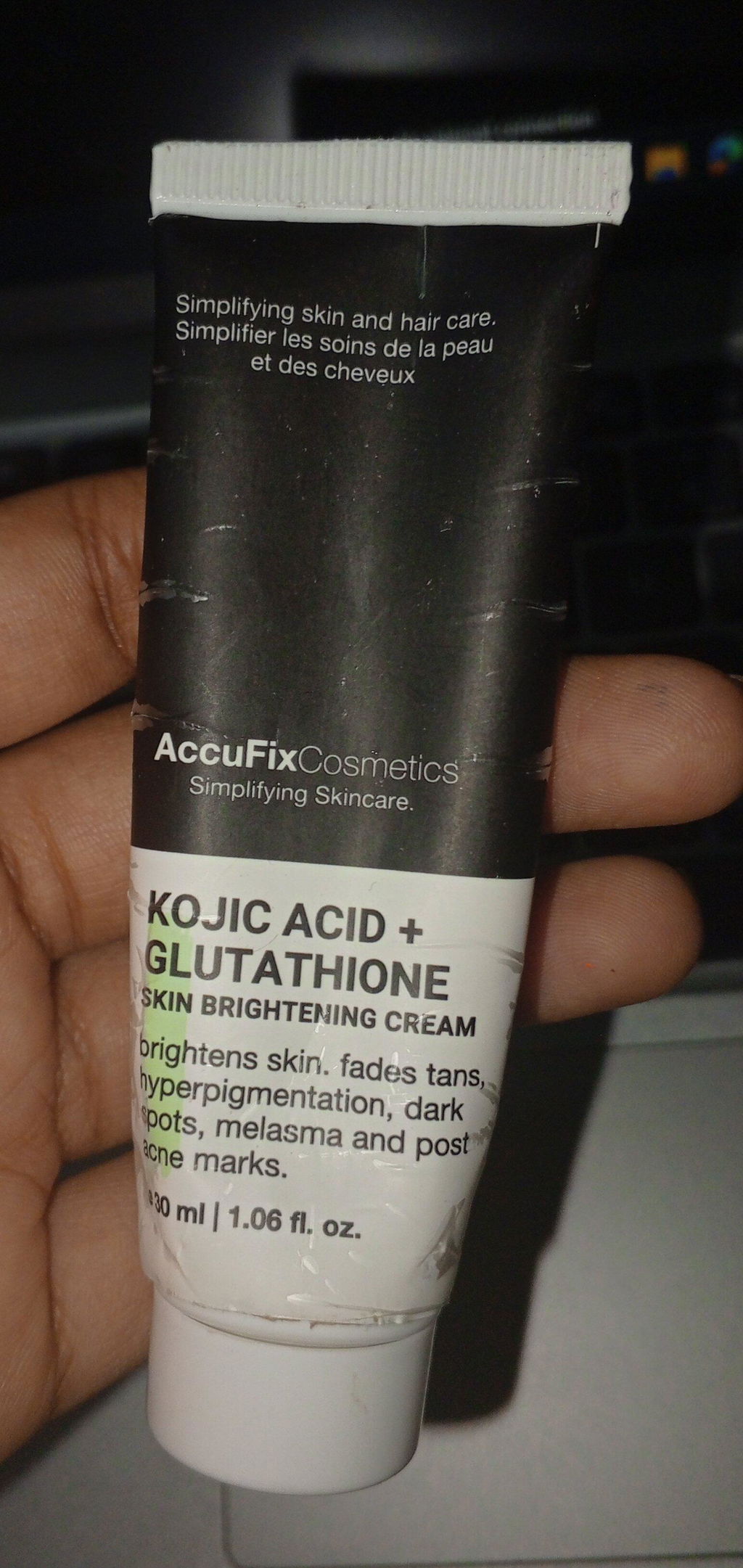
Totally in love with Accufix Brighten Cream! 💖 It suited my skin so well — my pigmentation and dark spots are almost gone. My skin looks brighter and smoother than ever.
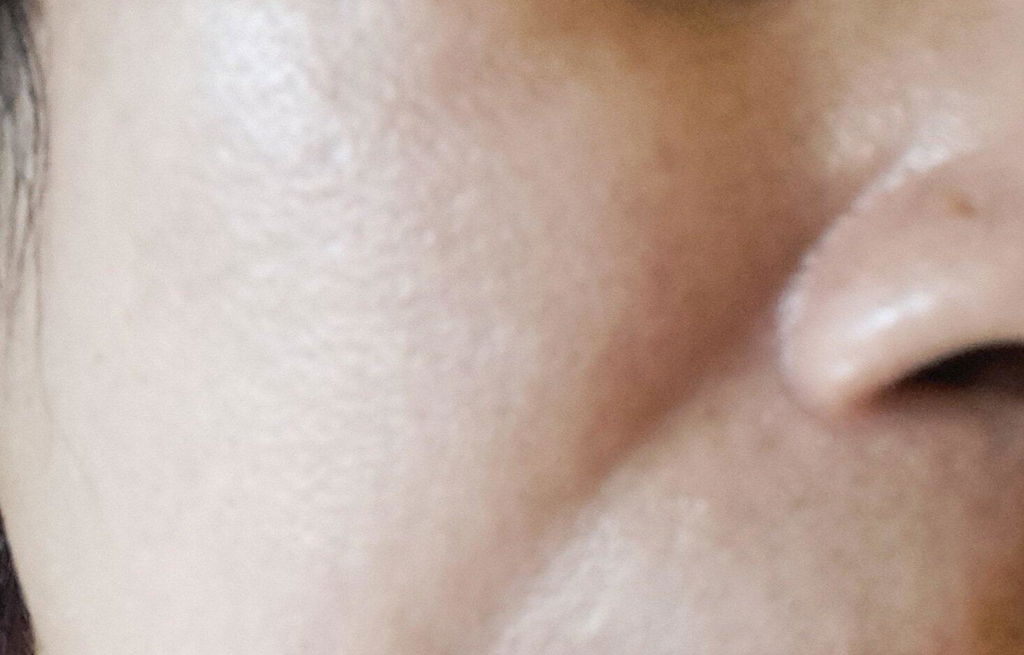
I have constantly used this for 20 days with powerhouse vitamin c serum it works like wonders for me, my dark spots have faded I'm totally impressed, Thanks Accufix
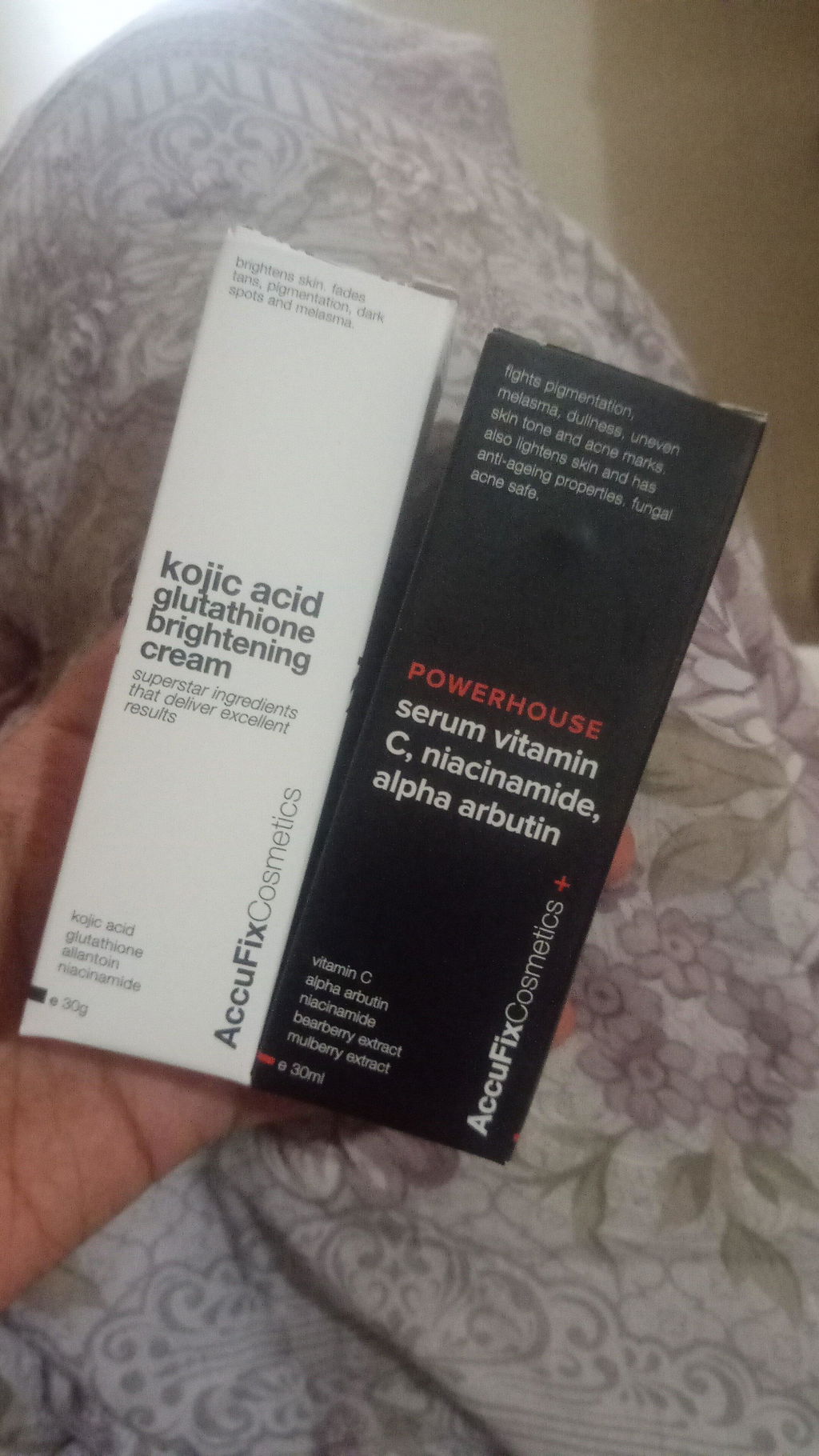
Age 45. Using this since 3 months very regularly with accufix azelaic acid, centella sunscreen and turmeric face wash - and also avoiding sun like vampire. Also received 2 PRP sessions from accufix clinic skin has never looked better.
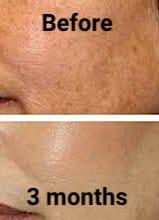
This Kojic Acid Glutathione Skin Brightening Cream is a game-changer. Its powerful blend of kojic acid and glutathione works wonders on dark spots and uneven skin tone. The cream absorbs quickly, leaving no greasy residue, and is gentle on sensitive skin. Within weeks, I noticed a significant improvement in my complexion—brighter, more even, and radiant. Highly recommend for anyone seeking luminous skin!